

CLIMATE-RESILIENT AND NATURE-FRIENDLY OLIVE CULTIVATION TRAINING HELD IN BANDIRMA
05.02.2026
05.02.2026
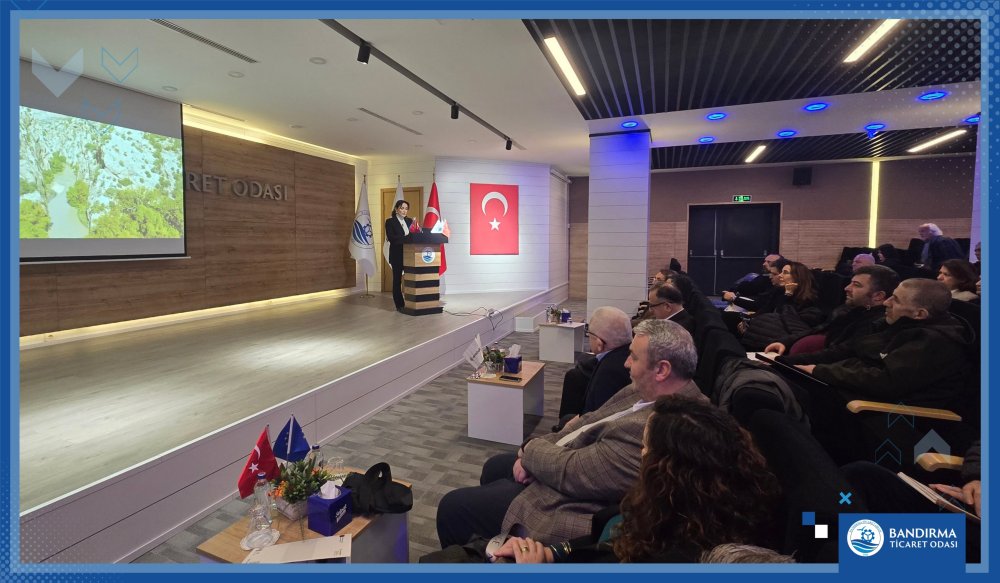
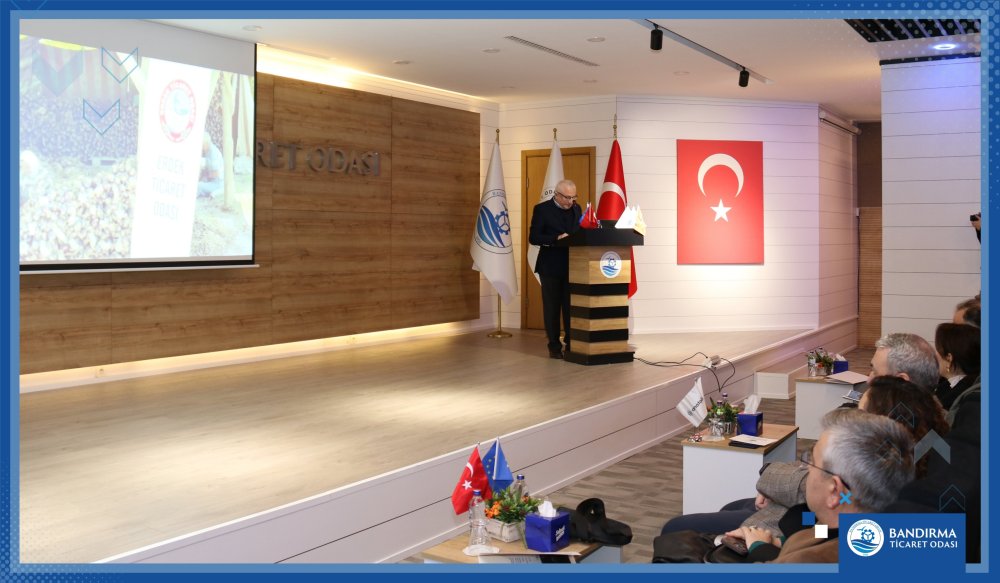
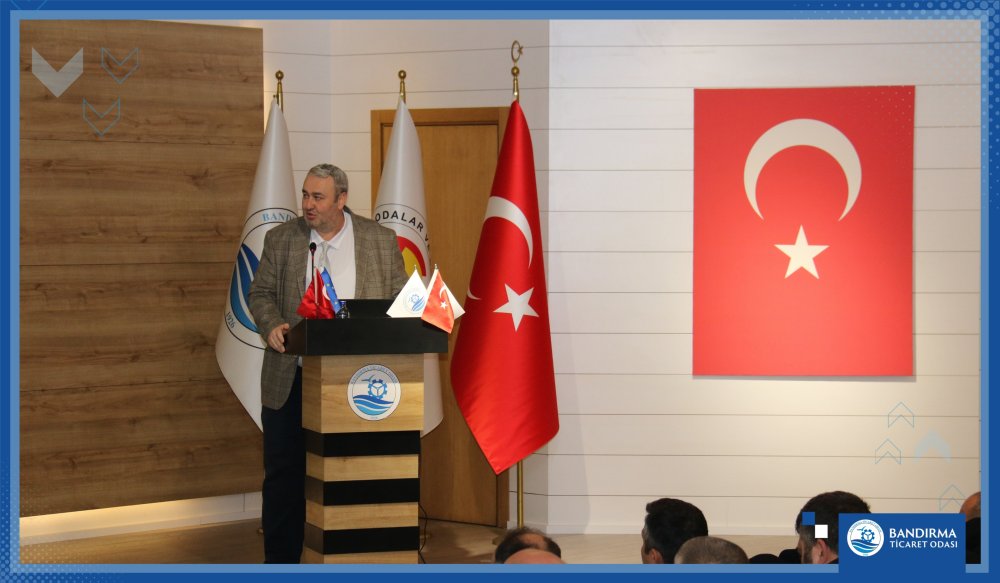
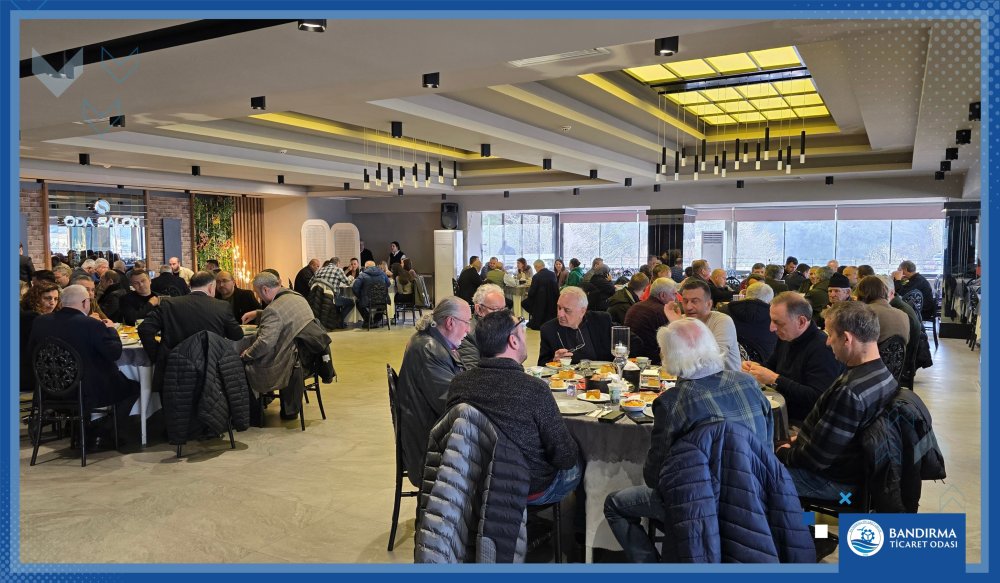
The Bandırma Chamber of Commerce, with the support of the Erdek Chamber of Commerce and the organization of the Project House Cooperative, hosted a training program titled "Climate-Resilient and Nature-Friendly Olive Cultivation" at its conference hall.
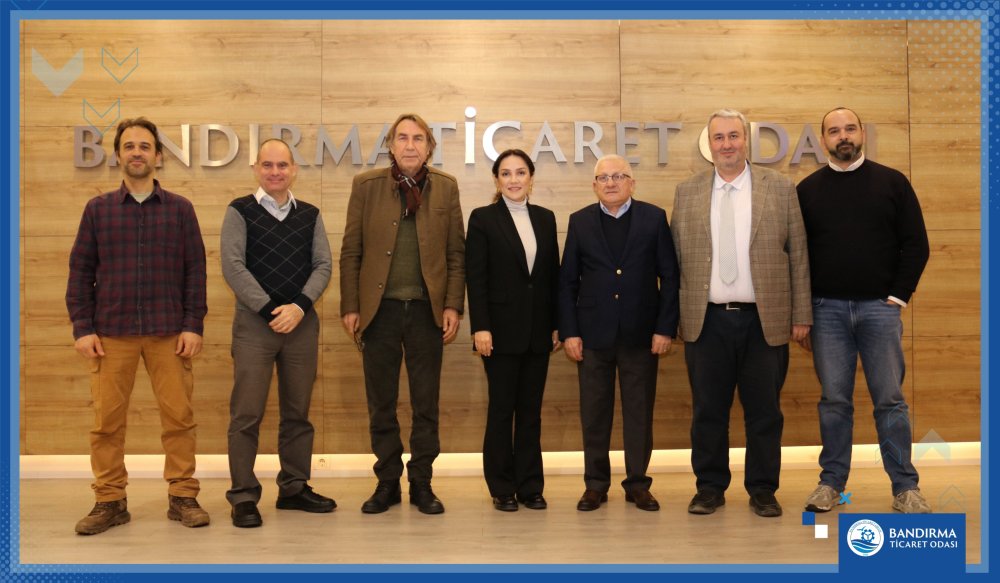
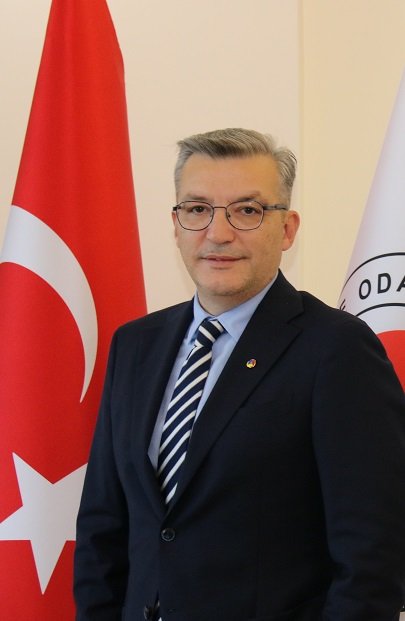
The training was organized within the scope of the ANATOLIVAR – Strengthening Olive Producer Communities in Anatolia Project, implemented by the Project House Cooperative with financial support from the European Union, in partnership with the National Olive and Olive Oil Council of Türkiye (UZZK) and Slow Food Italy. The event was attended by Yaşar Lafçı, Chair of the Assembly of the Erdek Chamber of Commerce; Funda Seçil Dedeoğlu, Chair of the Assembly of the Bandırma Chamber of Commerce; Süleyman Dönmez, Chairman of the Bandırma Chamber of Agriculture; Dilek Işıktaş, District Director of Agriculture and Forestry of Erdek; and numerous olive producers.
The program addressed key topics including climate-friendly and sustainable olive cultivation practices, ecosystem services provided by olive groves, the role of olive groves as carbon sinks, soil health-based production approaches, and geographical indication practices in olive cultivation, with presentations delivered by experts in their respective fields.
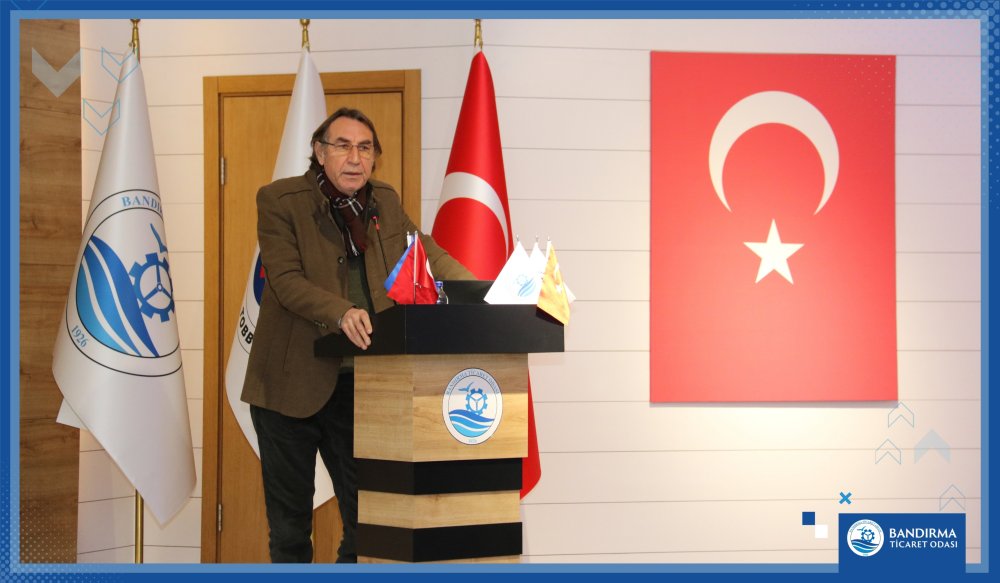
In the opening session, Funda Seçil Dedeoğlu emphasized that olive production represents not only an economic activity but also an important cultural heritage. Yaşar Lafçı highlighted the importance of adopting a nature-compatible approach to olive cultivation. Mustafa Tan, President of the National Olive and Olive Oil Council (UZZK), shared insights into Türkiye’s international journey in the olive sector, explaining that UZZK has comprehensively reviewed the European Union’s olive oil legislation and compiled years of regulations into an extensive reference resource.
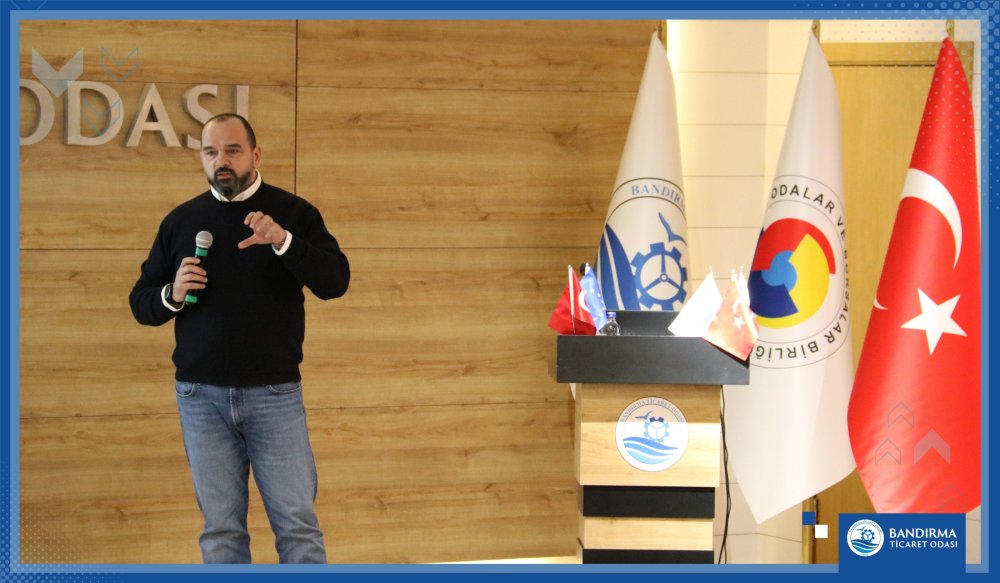
Following the opening speeches, Alen Mevlat, Coordinator of the ANATOLIVAR Project, addressed the impacts of climate change on olive groves. He stressed the importance of protecting traditional olive groves and local olive varieties and explained that the EU-funded project aims to promote agroecological and nature-friendly farming practices, encourage sustainable production and climate action in line with the objectives of the European Green Deal, and strengthen the capacities of producers and relevant stakeholders over its three-year implementation period.
As part of the program, Prof. Dr. Mustafa Kıralan, Head of the Department of Food Engineering at Balıkesir University, delivered a presentation on geographical indication practices in olive production. He introduced the registration processes, distinctive characteristics, and inspection mechanisms of Edincik Olives, Edincik Extra Virgin Olive Oil, and Erdek Kapıdağ Olive Oil, all of which hold geographical indication status.
The first session concluded with a presentation by R. Mert Eryürük, Econometrician and Digital Agriculture Specialist, who examined the effects of long-term climate variability on olive phenology and productivity in Bandırma, followed by a question-and-answer session.
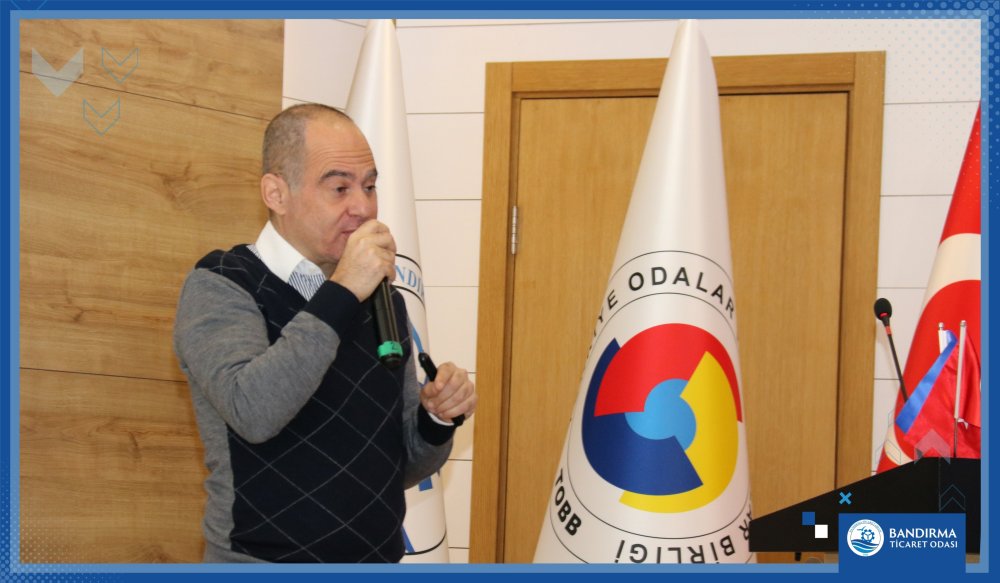
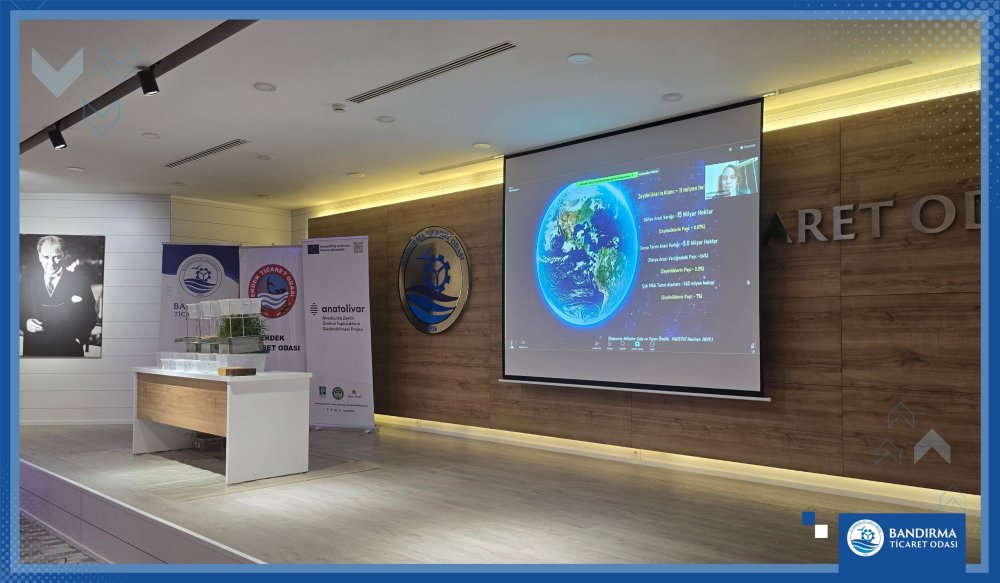
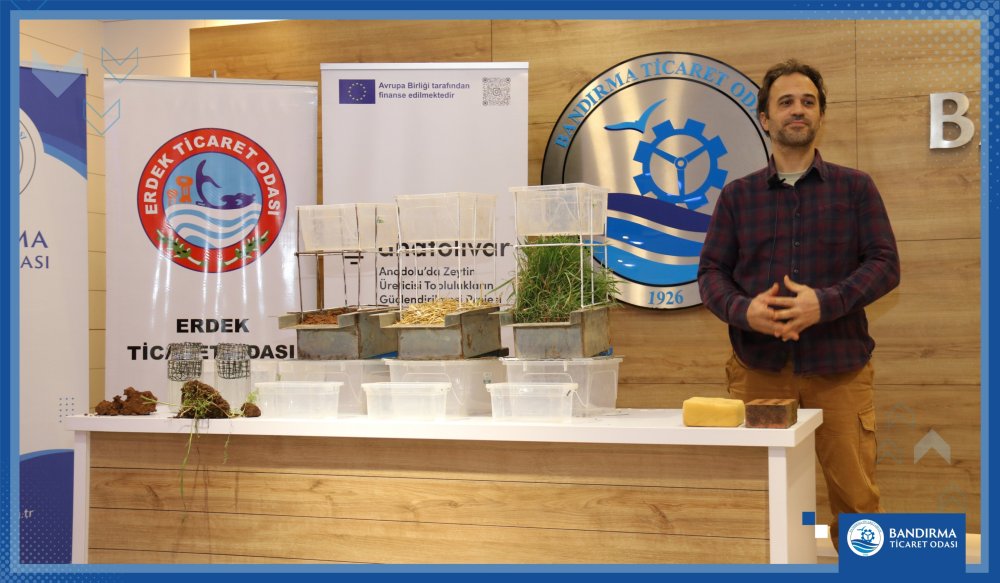
The second session featured an online presentation by Dr. Tuba Öncül Abacıgil, Director of the Edremit Olive Growing Institute at Balıkesir University, on practical and technical applications for reducing climate risks in olive grove management. Participants also showed great interest in the workshop led by Edwin Clarke, Regenerative Agriculture Practitioner and Consultant, titled "Rainfall Demonstration and the Relationship Between Different Soil Management Practices and Rainfall."
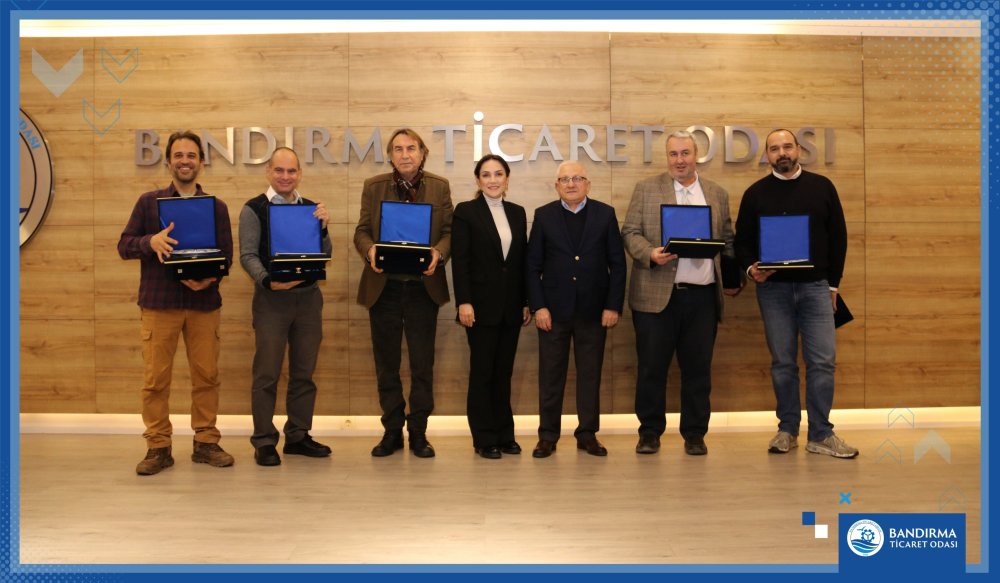
The program concluded with the presentation of commemorative gifts to the speakers by Funda Seçil Dedeoğlu, Chair of the Assembly of the Bandırma Chamber of Commerce, and Yaşar Lafçı, Chair of the Assembly of the Erdek Chamber of Commerce.